

In our line of work, there’s an assumption that perfection, the pursuit of absolute photorealism, equals effectiveness.
The logic seems sound. The more realistic a render looks, the higher quality of the development, the better it communications vision etc etc.
We don’t agree. Now don’t get it twisted – we pursue photorealism, we strive for the highest quality visuals. But we also believe that it can come at a cost and fail hard.
Today’s rendering technology can produce images that are technically flawless. Perfect lighting, immaculate materials, razor-sharp detail. But technical perfection doesn’t guarantee that someone will feel something when they look at it.
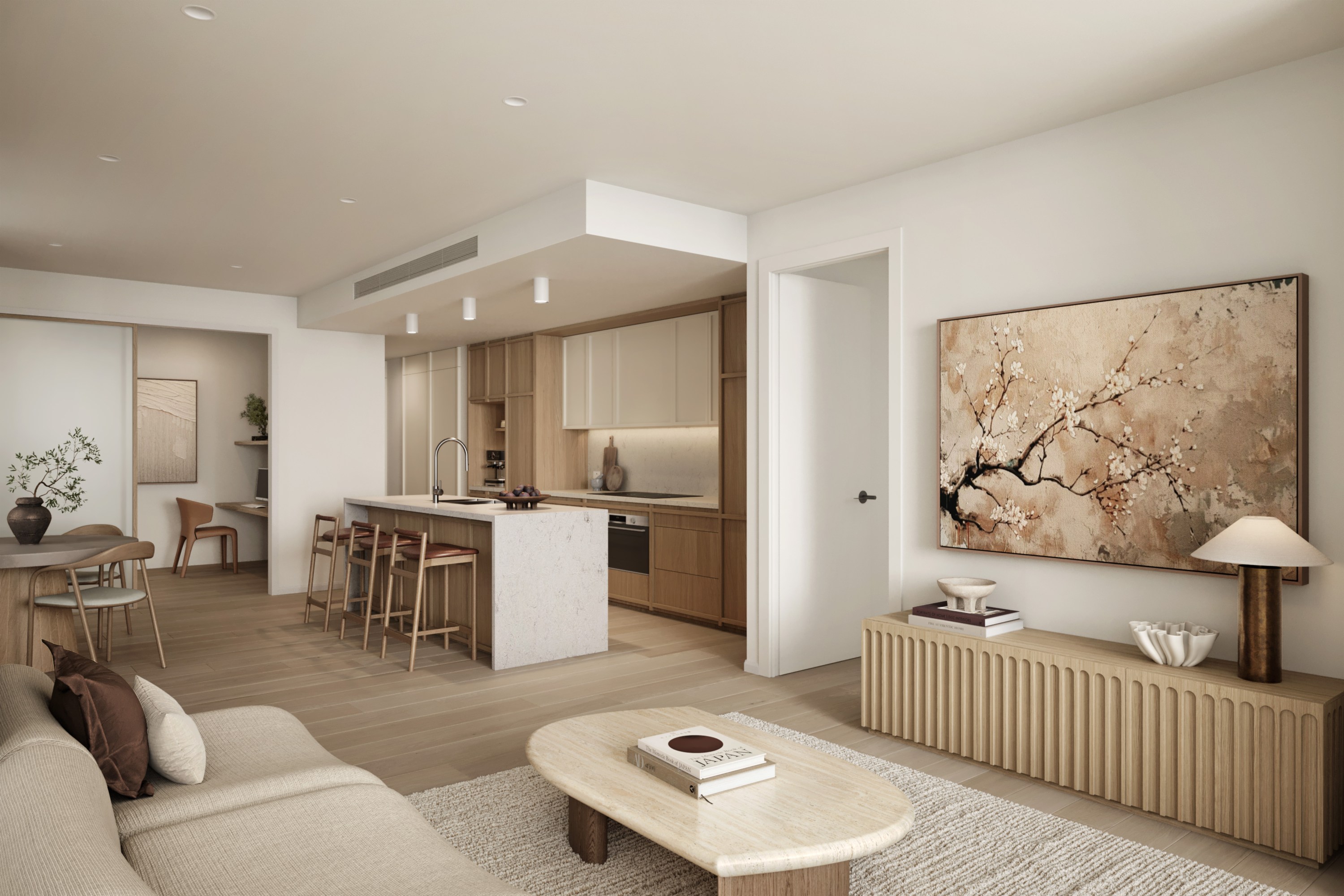
And feeling something is what matters in property sales and marketing! When a buyer is considering an apartment, they’re imagining their future life, not just square metres and finishes. We want them putting themselves in the frame, enjoying a morning coffee on the balcony, hosting friends for dinner, admiring the view from their living room at sunset.
So visualisations that don’t evoke an emotional response aren’t doing their job. Polish can feel soulless.

What makes a render feel authentic?
Emotional authenticity in visualisation comes from the details that make a space feel lived-in, real and relatable.
It’s the play of natural light at a specific time of day, thoughtful styling that reflects how people actually live, not a showroom fantasy. It’s not being afraid of imperfections – a chair slightly pulled out, a book on the coffee table.
Context is also important. There was a huge drive several years ago for statement renders that showed a building in isolation, angles that made other buildings disappear and put the hero building at the heart. It was powerful, but today the trend is towards buildings that are woven into their neighbourhoods, people walking past, cars on the street.
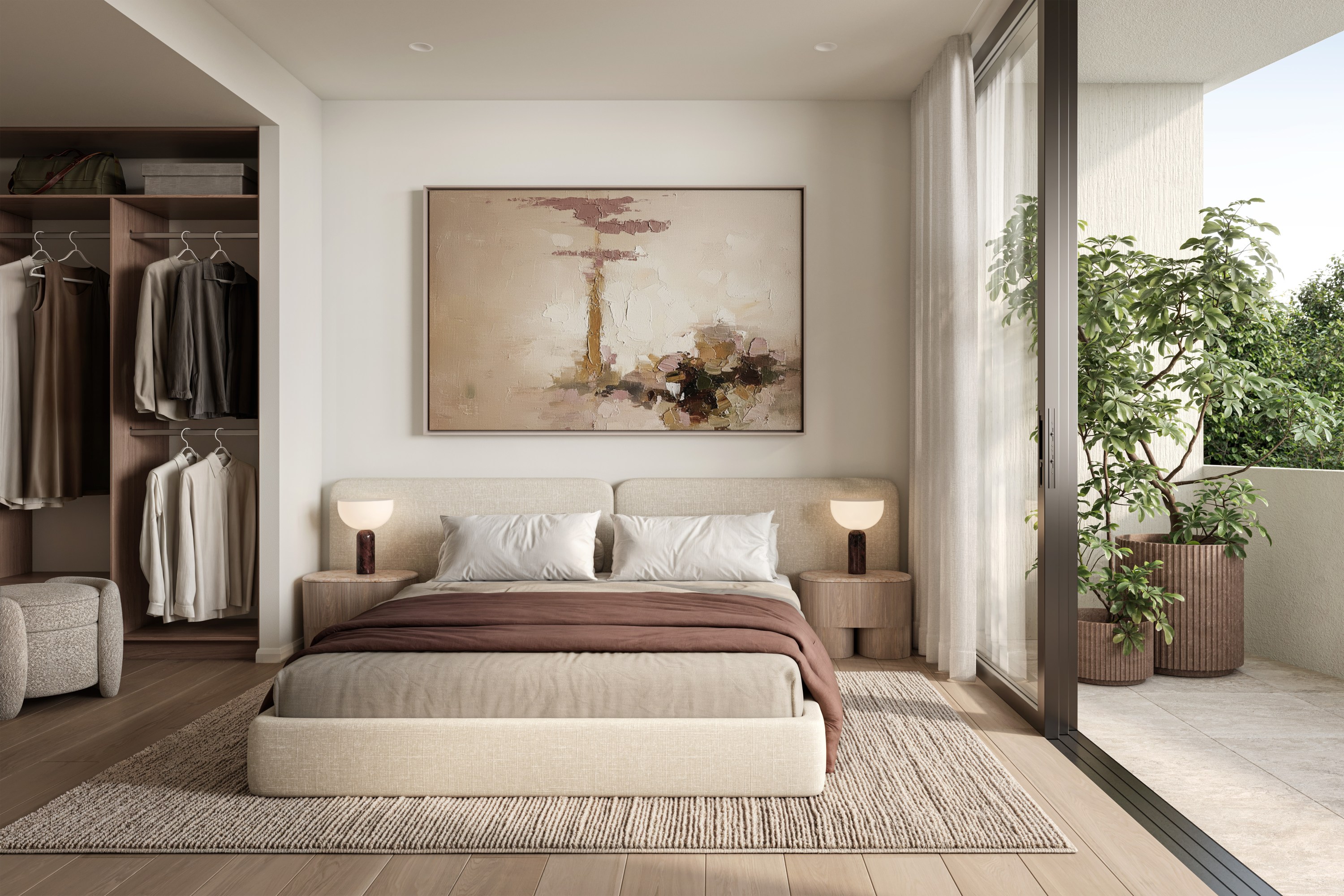
Generic perfection is forgettable
The problem with chasing photorealism for its own sake is that it often leads to sameness. White walls, minimal styling, perfect symmetry. It all starts to blur together.
But buyers don’t remember perfect. They remember the render that made them stop scrolling. The one that felt like home before they’d even walked through the door.